Inside the 400-year-old Residence of a Samurai Clan in Kanazawa
A journey through the Nomura Samurai Residence in Kanazawa, where discipline meets delicacy, and the mythology of the samurai softens into something far more human.
By Priyanka Kapoor

On a pleasant autumn evening in Kyoto, I began the second phase of my Japan journey by taking a walk around the Maruyama Park behind the lamplit Yasaka shrine. A popular haunt among young couples and caricature artists by sunset the crowd thins out, especially when one takes narrow tracks leading towards ascending slopes pointing to yet another old shrine. In the darkness, as I came out of the clearing, a lone restaurant sat like a beacon amid dense bamboo and at the window, a geisha knelt carefully with a teapot – a sharp contrast from the shopping complexes and dazzling billboards of Shibuya. As the grasshoppers rustled in overgrowth, it wasn’t too difficult to imagine that I had somehow landed in the Edo period.

As the journey opened up before me, it was clear that Japan has enshrined its past and has no intention of leaving it behind. Even for those who are drawn to its lively anime culture, heritage sites are a key attraction given that national history remains an eternal muse for many Japanese mangaka artists. On a similar mission, I took a bullet train to the Ura Nihon region, what is known as the back of Japan or seaside Japan to visit the residence of a cultural icon that continues to shape myth in modernity.
At the Heart of the Nomura Samurai Residence

The Kagayaki shinkansen entered a slow terrain where undulating hills merged with seaside suburbs. When I finally reached the capital of Ishikawa, I met a city similar to Kyoto, far less crowded, but one that spoke the same language of history. As I got out of the station, bright Bengara-red buildings populated the horizon and mingled easily with the modern architecture of the prefecture.
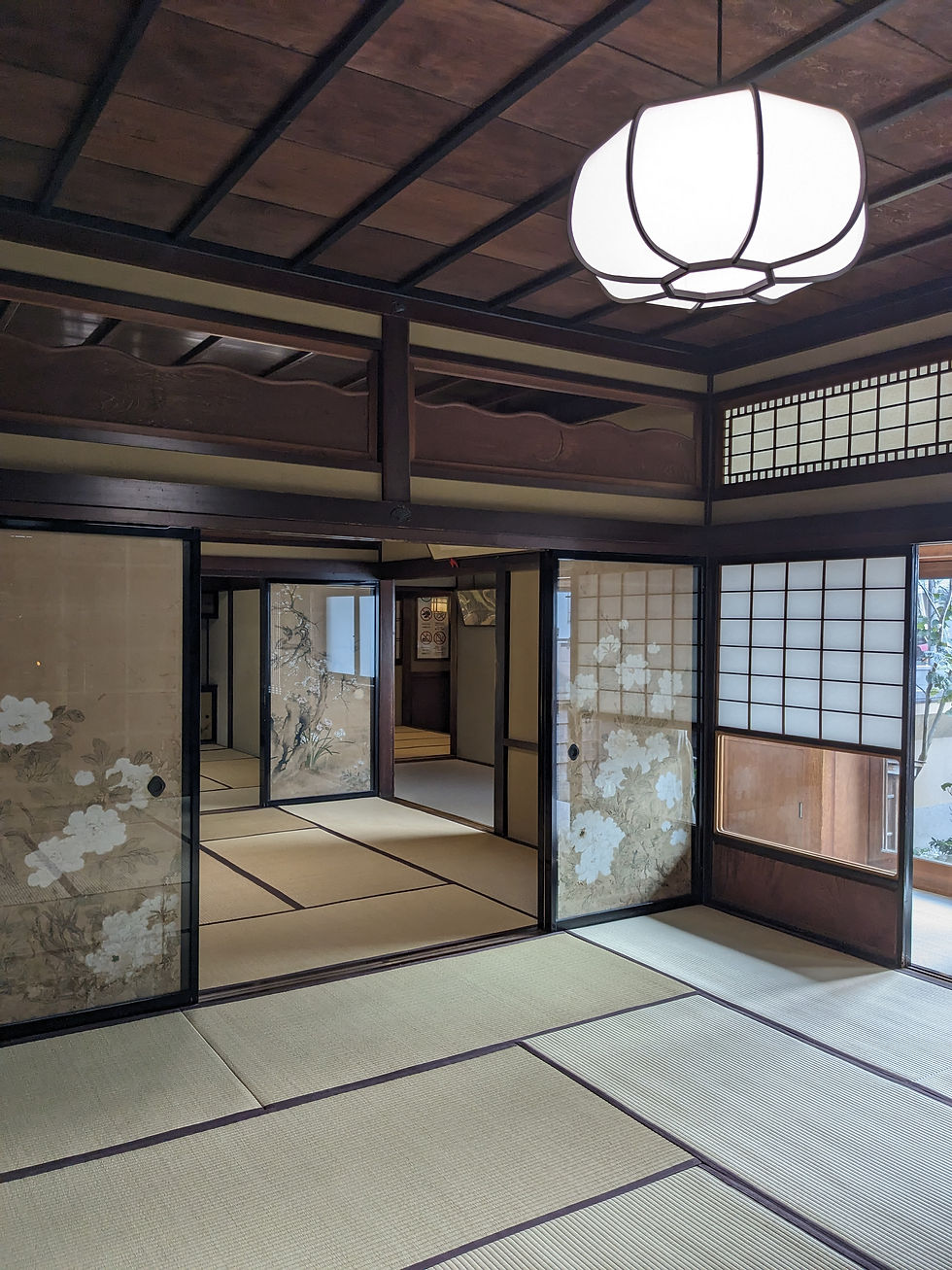
The bus that finally took me to the Nagamachi Samurai District dropped me around a residential complex packed with small pizzerias, heritage pottery shops and local souvenir stores. After navigating picturesque narrow lanes, I reached the entrance of the Nomura Samurai Residence, where a well-preserved armour of the warrior clan struck an imposing picture behind a glass case almost contrasting against the soft interiors inlaid with Japanese cypress wood, along with elaborate ebony panels featuring delicate motifs. Other unusual interior themes as per the historians of the time included Indian ironwood and a sliding paper door with a cut glass window, that faintly reflected the stream near the verandah.

The most striking part of the residence next to the Jyodan-no-ma Chamber, however, was the garden featuring a cherry granite bridge and a small waterfall. Often regarded as the third-best garden in Japan, it was a portrait of Zen far removed from the kamikaze imagery that populates the myth of the samurai. Taking in the harmony of the well-curated garden that the Japanese are renowned for, I sat down in the verandah and attempted to put myself in the shoes of the Nomura clan members. As the light flickered upon the water and the koi fish bobbed their heads towards the afternoon sun, I experienced the quiet serenity that must have inspired these warriors to carry butterflies on their katanas (traditional Japanese longsword). For despite the brutal demands of their professions, the katanas at the residence, arguably the most important possession of a samurai feature delicate natural motifs on the handguards.

Inside the chambers, many other nature-inspired artefacts humanise this cultural icon. Apart from artisanal bowls and landscapes from the famous Kano School, the correspondence from daimyos (feudal lords who hired samurai as their vassals) also paints a nuanced picture of the samurai life away from pot-boiler films and fiction. One specific letter, for example, thanks a Nomura clan member for their overtime and for the final assassination of a slippery enemy, in a tone that could have easily been a corporate email.
Historian Jonathan Clements in The Samurai addresses the overt romanticisation of the elite Japanese warrior.
Often, the reality can be very different for these fighters and involves tough military service as well as training. Today, while the symbol of the samurai dominates as a torchbearer of unflinching masculinity, the soft garden in Kanazawa tells a different tale. These warriors – the privileged few who could climb the important ranks were key patrons of the Japanese arts and indispensable to their survival. Over 22 of these arts, including silk dyeing and lacquerware still survive in
Kanazawa today, enjoying a rich clientele from all over the world, owing to the same patronage. And even though the samurai was ousted as a symbol of aggression and self-sacrifice after WWII, his iconographic history spanning several hundred years can still be glimpsed in and around the art scene in Japan.
The Garden That Rewrites the Samurai

On my way back to Kansai International Airport, I made a stop at the teamLab Botanical Garden in Nagai Park, famous for its colourful light shows. Among several artistic displays, a montage of Ensō Circle calligraphy paired with meditative chanting immediately caught my attention.
Deceptively simple at first glance, an Ensō Circle is a Zen form of calligraphic meditation that involves deep focus and elegance befitting the legacy of a samurai, who were often great practitioners of Zen calligraphy themselves. In that moment, the symbol reaffirmed how beauty can exist in harmony, or rather, it contributes to the harmony of discipline itself in a full circle.

