Dog-Friendly Urban Design: When Cities Begin to Feel Like Companions

Updated: Apr 22
From Helsinki to Tokyo, the rise of dog-friendly urban design signals a softer, more emotionally intelligent way of living.
By Maheshwari Vickyraj

A City Designed at the Pace of a Dog
In Helsinki, a route unfolds across parks, pavements, and waterfronts. It is mapped not for efficiency, but for instinct. A dog pauses, nose tilted to the air, unhurried and unconcerned with destination. The human at the other end of the leash follows, gently reoriented.
This is the essence of dog-friendly urban design. It asks a simple question that feels almost radical. What happens when cities are shaped not by urgency, but by curiosity?
Global Dog-Friendly Urban Design Trends Across Cities

The idea of dog-friendly urban design is no longer niche. It is quietly unfolding across cities that understand that emotional wellbeing is as critical as infrastructure.
In Tokyo, dog parks are curated with the same attention to texture and seasonality as human spaces. Pet cafés blur the line between leisure and companionship, turning everyday routines into shared rituals.
New York City integrates dog runs into its urban fabric, particularly in places like Central Park, where community, movement, and pause coexist.
In Berlin, dog-friendly urban design is embedded into daily life. Dogs move through cafés, transport systems, and public squares with quiet acceptance.
In Chandigarh, while less formal, the city’s open sectors and green belts allow for organic forms of dog-friendly urban design, shaped by community rhythms rather than policy.
What connects these places is not just the presence of pets. It is a shared sensibility. A recognition that cities can be designed with empathy.
The Psychology Behind Dog-Friendly Urban Design

The rise of dog-friendly urban design is deeply rooted in how we experience space.
Biophilia and Living Systems
Humans are instinctively drawn to life and movement. Dogs embody both. Their presence introduces unpredictability, softness, and sensory richness into structured environments.
Prospect and Refuge in Urban Spaces
Dog-friendly urban design often creates a balance between openness and safety. Open lawns invite play, while shaded corners offer rest. This duality mirrors what humans seek in spaces that feel both stimulating and secure.
Emotional Projection and Care
Designing for dogs allows us to design for ourselves without the pressure of self optimisation. A shaded bench, a slower pathway, a pause in movement. These are framed as care for the pet, but experienced as care for the self.
In this way, dog-friendly urban design becomes a quiet form of emotional architecture.
Why Dog-Friendly Urban Design Reflects a Larger Cultural Shift

This movement sits within a broader transformation in how we define modern living.
From Hard Cities to Soft Cities
Urban spaces are shifting from rigid and transactional to sensory and responsive. Texture, light, and movement are becoming as important as function.
The Rise of the Care Economy
Companionship, caregiving, and emotional wellbeing are shaping consumption and design. Dog-friendly urban design reflects this shift toward nurturing environments.
Post Productivity Lifestyles
There is a growing rejection of cities built solely around work and speed. Dog-friendly urban design introduces slowness, wandering, and presence into everyday life.
The dog, in this context, is not just a pet. It is a cultural signal.
Perspective on Dog-Friendly Urban Design
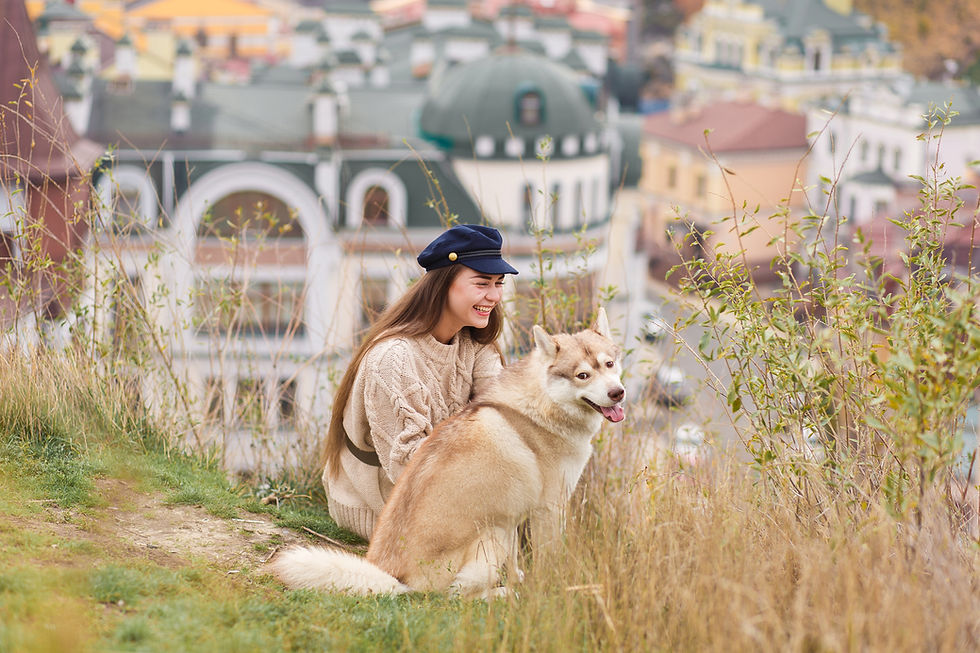
Dog-friendly urban design reveals something both simple and profound. When we design for those who cannot articulate their needs, we are forced to observe more closely, to feel more deeply.
A dog does not respond to grandeur or spectacle. It responds to shade, scent, safety, and freedom. These are elemental qualities. They are also deeply human.
The beauty of dog-friendly urban design lies in its subtlety. It does not announce itself. It is felt in the ease of a walk, in the instinct to linger, in the absence of friction.
Perhaps the future of cities is not defined by innovation alone, but by sensibility. A return to spaces that understand us without needing to be explained.
The Future of Dog-Friendly Urban Design

Somewhere along a quiet path, a dog pauses. Not for instruction, but for interest. The city, for once, does not interrupt.
Dog-friendly urban design invites us into that pause. Into a way of living that values presence over pace.
And in following that rhythm, we may find that the most thoughtful cities are not the ones that move the fastest, but the ones that know when to slow down.