When the Kitchen Becomes a Café: Why Homes Are Opening Their Doors to Coffee Culture

From espresso corners to living-room latte bars, the home café is less about caffeine and more about control, comfort, and curated connection.
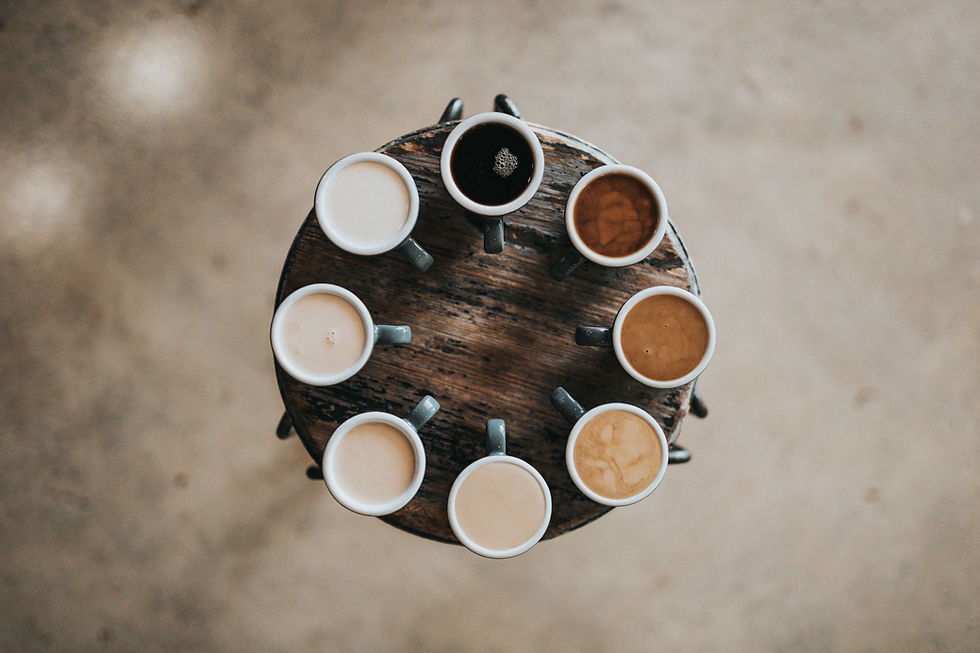
It begins quietly with a countertop cleared with intention. A well-worn espresso machine humming softly. Ceramic mugs stacked like sculpture. Somewhere between the scent of ground beans and the first pour of steamed milk, a home begins to feel like a destination.
Across cities and social feeds, kitchens are being reimagined as cafés not professionally, not performatively, but intimately. A space once designed for efficiency is now styled for ritual. Coffee is no longer just made at home; it is hosted
Long before TikTok and Instagram reframed coffee as décor, Japan cultivated a nuanced coffee culture that prized atmosphere, craft, and social rhythm. The first modern Japanese café opened in Tokyo in 1888, and the country’s iconic kissaten, quiet, design-forward coffee houses became sites of ritual long before global specialty waves took hold.
The End of the Third Place (and Its Return Indoors)

For decades, cafés functioned as “third places” not home, not work, but something softer in between. Rising costs, shrinking leisure time, and post-pandemic shifts have quietly altered that equation. The café hasn’t disappeared; it has migrated.
As Apartment Therapy notes, people are opening their homes as coffee bars because “hosting no longer needs to feel formal or expensive, coffee creates a reason to gather without pressure.” The ritual is lighter than dinner, more intimate than drinks, and flexible enough to slip into everyday life.
This isn’t about recreating Starbucks at home. It’s about reclaiming slowness in a world that rarely allows it.
The Social Economy of Slow Mornings

This movement is not simply a retreat into comfort. It reflects how our rhythms have shifted. In an age when younger generations crave slower mornings and more mindful gatherings, coffee replaces cocktails as the new locale of connection. Instead of the structured pressures of dinner parties, hosts are embracing flexibility infusing their spaces with acoustics playlists, hand-written menus, and curated drink lists that celebrate friendship, belonging, and ease.
There’s also a financial pragmatism rooted in this aesthetic. With café prices climbing, many young people are turning inward doubling down on home-brewed rituals that both save money and amplify joy. As one Gen Z creator noted in the New York Post ditching expensive lattes for DIY café experiences isn’t just economical; it elevates the morning ritual with charm and personality.
Design Meets Ritual: Aesthetic Play and Coffee as Emotional Infrastructure

Designers call this movement cafécore, a sensibility that bridges convivial cafés and curated home spaces. It’s about soft lighting, vintage ceramics, cozy seating, and the layered textures that make a corner feel like a sanctuary. According to Good Housekeeping, the Cafécore trend taps into our longing for conviviality and nostalgia, a tribute to spaces where people linger, talk, and make memories.
For many, coffee bars aren’t passive accouterments, they’re hearths for hospitality. Homeowners are now specifically requesting task-specific coffee zones during renovations from built-in machines to chic countertop setups not to imitate a restaurant, but to craft a personal ritual space.
House Beautiful observes that these setups are less about equipment and more about ambience — warm lighting, playlists, menus written by hand. The appeal lies in how coffee structures time: mornings feel intentional, afternoons feel communal, evenings feel unhurried.
Coffee becomes a reason to pause. To sit. To talk.
In a culture increasingly defined by productivity and isolation, the home café offers something radical: presence without expectation.
The Home Café as Cultural Lens
This trend also reveals deeper shifts in how we see domestic space. The boundaries between work, play, and social gathering have blurred, and our homes are no longer solely private retreats they are stages for self-expression, connection, and intentional living. The home café isn’t a gimmick; it’s the remaking of domestic life into a softer, slower, more shared experience, a place where artistry and warmth coexist, where the hum of conversation is as essential as the hiss of steam from an espresso wand.
From Aesthetic to Autonomy

Design publications like Livingetc describe the home café as a response to both rising café prices and creative fatigue. When every outing costs more, and every public space feels overstimulating, the desire to bring beauty inward intensifies.
Creating a café at home becomes an act of authorship.
You choose the cups. The beans. The music. The pace.
As one article notes, it’s about “curating a moment that feels five-star without leaving the house.” Not luxury in the traditional sense, but luxury as control over atmosphere.
The TikTok Effect: Ritual, Not Performance

While TikTok has amplified the trend, its success lies in how anti-aspirational it feels. Home cafés thrive not because they are perfect, but because they are personal.
House Beautiful points out that many viral home cafés aren’t grand at all. they exist on small counters, rolling carts, even bedside tables. What they share is intimacy. The café isn’t for customers; it’s for friends, partners, roommates, and oneself.
This is aesthetic living without the pressure of permanence.
Hosting as a Soft Power
What we’re witnessing isn’t a coffee trend, it’s a hosting philosophy.
The home café reflects a shift away from performative entertaining toward gentle hospitality. No seating charts. No courses. No expectations. Just an open door and something warm to hold.
In opening their homes as cafés, people aren’t rejecting the outside world, they’re reshaping it on their own terms. Designing spaces that feel safe, intentional, and human.
This is slow living in its most accessible form. Once, the hearth was the centre of the home, where warmth gathered people together. Today, that role is quietly being taken over by the coffee bar.
A place where conversation begins.
Where mornings soften.
Where guests linger without obligation.
The home café doesn’t ask us to consume more, it invites us to stay longer.
And in a world obsessed with movement, that might be the most meaningful luxury of all.

