The Lace Table: Reimagining Easter Through Texture, Memory, and Modern Femininity

Updated: Apr 22
A Pinterest-born aesthetic that turns hosting into a soft ritual of beauty and belonging
By Maheshwari Vickyraj

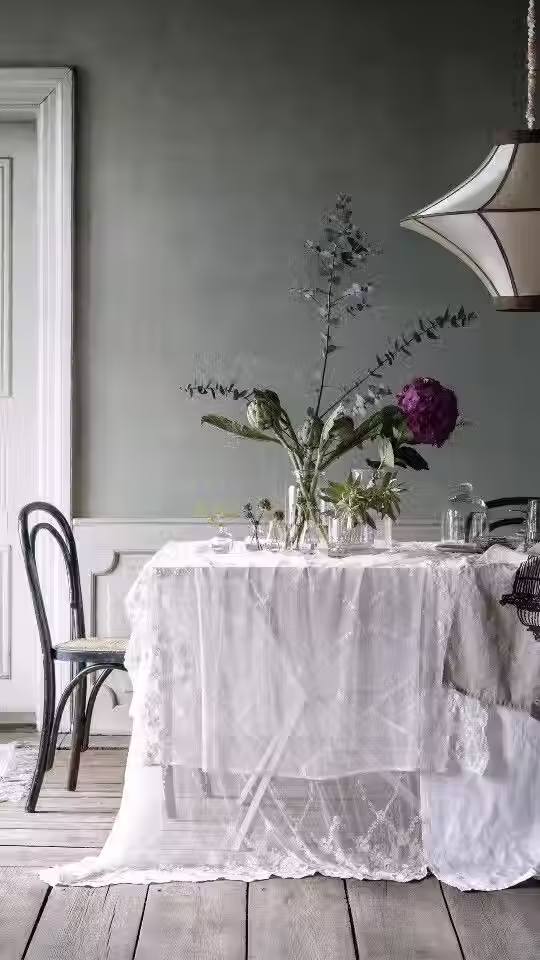
There is something quietly cinematic about a table dressed in lace, where sunlight filters through delicate patterns and settles softly on porcelain, where the air feels lighter, almost perfumed with nostalgia and intention. It is not just a table setting, it is a mood, a memory in the making, a gentle return to hosting as an art form rather than an obligation.
Furthermore, as Pinterest searches for lace tablescapes rise, this aesthetic signals more than seasonal decor, it reflects a deeper cultural shift towards softness, tactility, and slow gatherings that feel personal rather than performative.
What Is a Lace Easter Table Setting

Firstly, lace has always carried a duality, it is both intimate and ornamental, fragile yet enduring. Historically, it belonged to heirlooms, bridal trousseaus, and inherited wardrobes. However, in today’s visual culture, lace is being reimagined as a design language that extends beyond fashion into spaces and rituals.
Moreover, this resurgence is not accidental. In fact, it aligns with a broader return to hyper-feminine aesthetics, where textures such as lace, linen, and crochet are reclaiming space in interiors and lifestyle narratives.
Additionally, in contrast to the sharp minimalism that dominated the past decade, lace offers something softer, something more human. It invites imperfection, layering, and storytelling. As a result, hosting becomes less about symmetry and more about sensibility.
The Easter Table as a Canvas

Building the Base Layer
To begin with, the foundation of a lace-inspired Easter table lies in layering. A neutral linen or raw cotton tablecloth creates an understated base. Then, a lace runner or overlay introduces texture, allowing the table to feel curated rather than overly styled.
Similarly, mismatched crockery adds character. Plates with scalloped edges, vintage teacups, and hand-painted ceramics bring depth to the palette.
Moreover, the colour story should remain soft and intentional. Think muted pastels such as butter yellow, powder blue, blush pink, and sage green. These tones echo spring while maintaining a refined aesthetic.
Objects That Tell a Story
For instance, instead of generic decor, choose objects that feel collected. Ceramic eggs, handwoven baskets, and glass jars filled with wildflowers create a narrative that feels both seasonal and timeless.
Additionally, candles play a crucial role. Tapered candles in ivory or pale hues introduce height and warmth. As a result, the table transitions beautifully from a sunlit brunch to a softly lit evening gathering.
Furthermore, place cards handwritten on textured paper or tied with lace ribbons add a personal touch. This is where hosting becomes intimate, where every guest feels considered.
Florals and the Language of Spring
Flowers, however, should feel effortless rather than overly arranged. Loose bouquets of daisies, baby’s breath, tulips, or even foraged greens embody a natural elegance.
In the same way, placing florals in vintage vases or repurposed glass bottles enhances the layered aesthetic. It is less about perfection and more about poetry.
Hosting the Easter Gathering

Setting the Mood
Firstly, music matters. A soft jazz playlist or acoustic instrumentals create an atmosphere that feels relaxed yet elevated.
Secondly, the menu should mirror the table’s sensibility. Light dishes such as fresh salads, citrus cakes, artisanal breads, and floral-infused beverages complement the visual narrative.
Moreover, interactive elements such as egg painting or a small dessert station encourage connection. As a result, the gathering becomes experiential rather than static.
Dressing the Part
Guests, too, become part of the aesthetic. Suggest a soft dress code, linens, cottons, and subtle florals. This creates visual harmony while allowing individuality.
In addition, hosting in this way transforms the event into a shared expression of beauty, where everyone contributes to the overall palette.
The Cultural Shift Behind the Table

This movement towards lace and layered hosting is not just about aesthetics. It is defined as a return to intentional living, where beauty is slow, tactile, and deeply personal.
Because digital culture often prioritises speed and visibility, there is a growing desire for experiences that feel grounded and sensory. Therefore, tablescapes like these become a form of resistance, a way to reclaim time, attention, and presence.
In contrast to fast consumption, this approach values craftsmanship, memory, and emotional resonance.
An Easter table set in lace is not simply about celebrating a holiday. It is about curating a moment, one that lingers long after the plates are cleared and the candles have burned low.
It is, in essence, a love letter to slow beauty, to shared rituals, and to the quiet luxury of gathering with intention.
