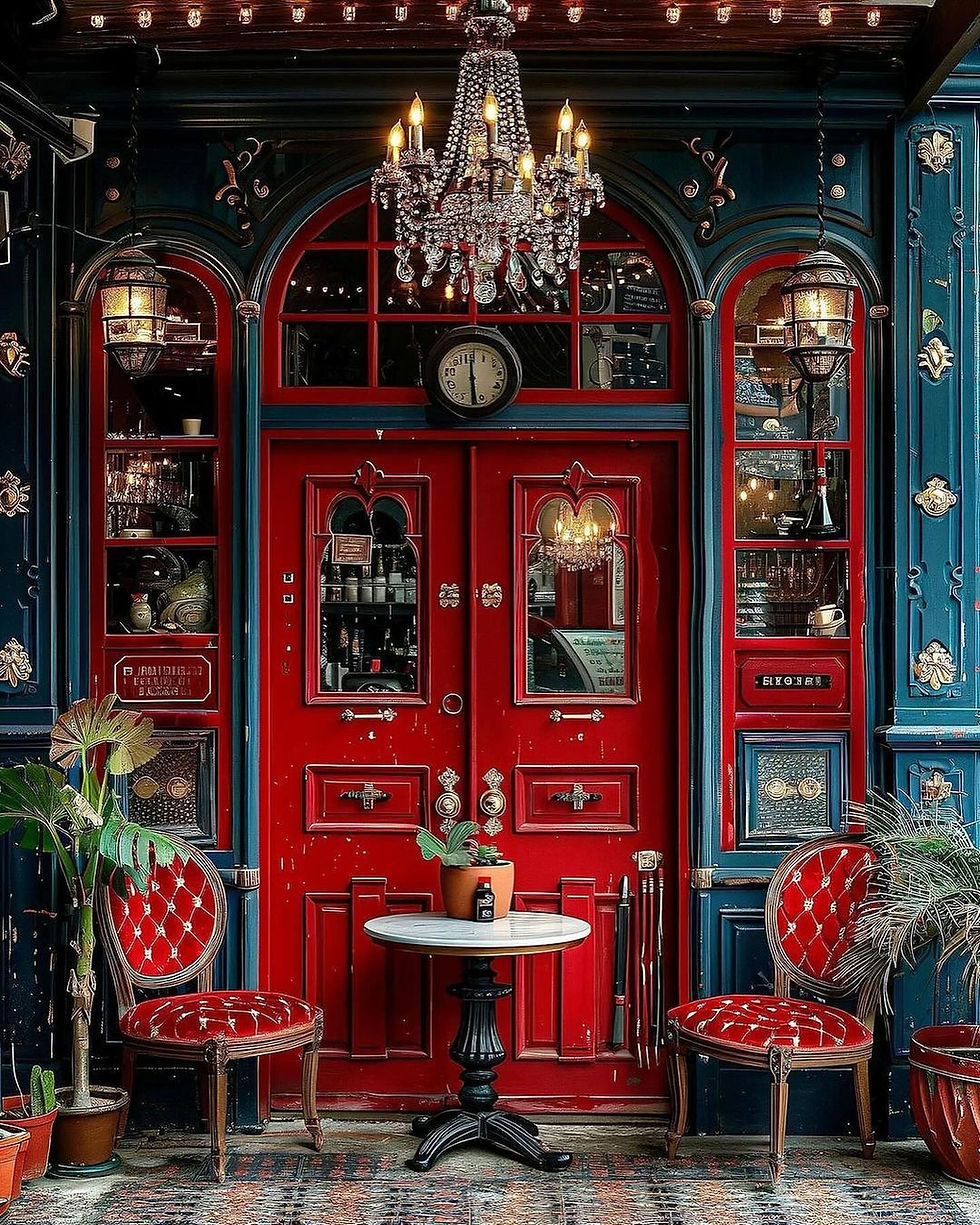
The Neuroscience of a Beautiful Room: Why Your Brain Chooses Favorites

Updated: Apr 22
How light, layout, and material quietly choreograph the way we feel inside a space
By Maheshwari Vickyraj

The Moment a Room Recognises You
You enter a room and, almost instantly, your body settles. Your shoulders drop, your breathing slows, and without consciously deciding, you want to stay. Meanwhile, another space, perhaps larger or more decorated, creates the opposite effect. You feel alert, slightly uneasy, and ready to leave.
This contrast is not accidental. The neuroscience of interior design suggests that your brain is constantly scanning environments for safety, clarity, and comfort. Therefore, your favorite room is not simply chosen. Instead, it is neurologically aligned with what your mind and body need.
Cognitive Load and Clutter: Why Simplicity Feels Like Relief

To begin with, the neuroscience of interior design explains how the brain processes visual information.
According to research published in the Journal of Environmental Psychology, cluttered environments increase cognitive load, which means the brain must work harder to interpret what it sees. As a result, mental fatigue rises and focus declines.
On the other hand, when a space is visually coherent, the brain processes it with ease. Consequently, you feel calmer, not because the room is empty, but because it is resolved. In addition, minimal interiors that incorporate texture and warmth tend to perform better psychologically than stark, overly sterile spaces.
Therefore, a well-designed room does not overwhelm the senses. Instead, it edits them. It reduces unnecessary stimuli and allows attention to rest, which is precisely why such spaces feel expansive even when they are small.
Prospect and Refuge Theory: Designing for Safety and Awareness

However, clarity alone does not define a beautiful space. Equally important is the feeling of safety. Here, the neuroscience of interior design intersects with the prospect refuge theory, introduced by geographer Jay Appleton.
This theory suggests that humans prefer environments where they can observe their surroundings while remaining protected. In other words, we seek a balance between openness and enclosure. For instance, a window seat allows you to look outward while remaining tucked in. Similarly, a corner in a room offers subtle protection while still maintaining visibility.
As Architectural Digest frequently highlights in its interior reportage, the most compelling homes create layered spatial experiences. Open layouts are softened by alcoves, partitions, or changes in elevation. Consequently, the space feels both expansive and intimate.
Therefore, your favorite room often reflects this balance. It allows you to exist without exposure, which the brain interprets as safety.
Material Psychology: How Texture Shapes Emotional Response
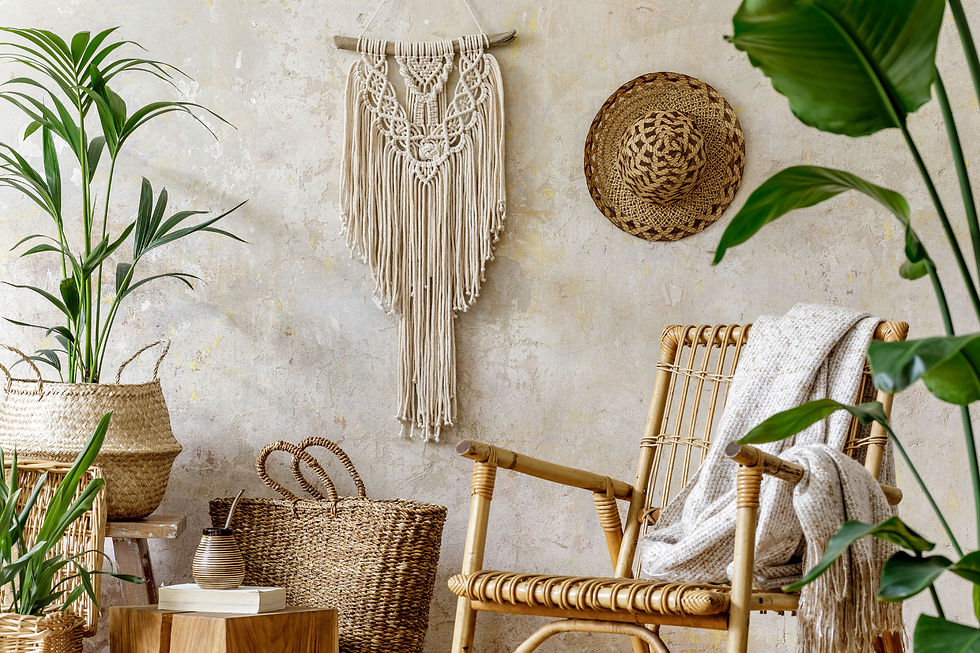
In addition, the neuroscience of interior design reveals that materials influence emotional states. Studies referenced by the National Institutes of Health indicate that exposure to natural materials such as wood can reduce stress and support relaxation. This response is often linked to biophilia, which describes the human tendency to connect with nature.
Conversely, highly reflective or industrial materials such as metal and glass tend to feel cooler and more stimulating. While they can create visual impact, they often lack the emotional softness that encourages rest.
Interestingly, this idea extends beyond academic research. In one widely discussed Reddit thread on interior design, a user described feeling disconnected in a glossy, echo-filled apartment, yet immediately at ease in a home filled with wood, textiles, and layered textures. Although anecdotal, this reflects a broader truth. The brain responds not only to what it sees, but also to what it anticipates touching.
Therefore, material selection becomes a form of emotional design. It determines whether a space feels lived in or merely observed.
Light Temperature and Circadian Rhythm: Designing with Time

Finally, light plays a defining role in the neuroscience of interior design. According to Harvard Health Publishing, light directly regulates circadian rhythm, which influences sleep, mood, and energy levels.
For example, cool, blue-toned light enhances alertness and is therefore suited for workspaces. However, warm, amber lighting signals the body to unwind, making it ideal for living areas and bedrooms. As a result, a room’s lighting temperature can either support or disrupt your internal clock.
Moreover, interior publications such as Elle Decor emphasize the importance of layered lighting. Instead of relying on a single overhead source, combining ambient, task, and accent lighting creates depth and emotional nuance.
Therefore, light is not simply functional. It acts as a biological cue, guiding how you feel throughout the day.
Taste as Biology, Refined by Memory

The neuroscience of interior design ultimately reframes what we call taste. It is not just an aesthetic preference shaped by trends or exposure. Rather, it is an instinct rooted in biology and refined by memory.
The rooms we return to again and again share certain qualities. They reduce cognitive strain, offer subtle protection, incorporate natural textures, and align with our circadian rhythm. In other words, they support the nervous system.
A beautiful room is not created for admiration alone. Instead, it is composed to be experienced, to hold emotion, and to allow stillness.
Spaces That Understand Us

Perhaps this is why certain rooms stay with us long after we leave them. They do not impress in obvious ways. Instead, they resonate quietly.
Because in a world that constantly demands attention, the most meaningful spaces are those that give something back. They offer clarity instead of noise, warmth instead of performance, and presence instead of distraction.
And so, the neuroscience of interior design is not just about how a room looks. It is about how a room lets you feel.