The Death of the Polished Girl: Why the Messy Girl Aesthetic Feels More Honest in 2026
- Maheshwari Raj

- Feb 27
- 4 min read
Updated: Apr 22
From smudged eyeliner to layered interiors and atmospheric fragrance, the messy girl aesthetic marks a cultural shift from polished perfection to textured presence.
By Maheshwari Vickyraj
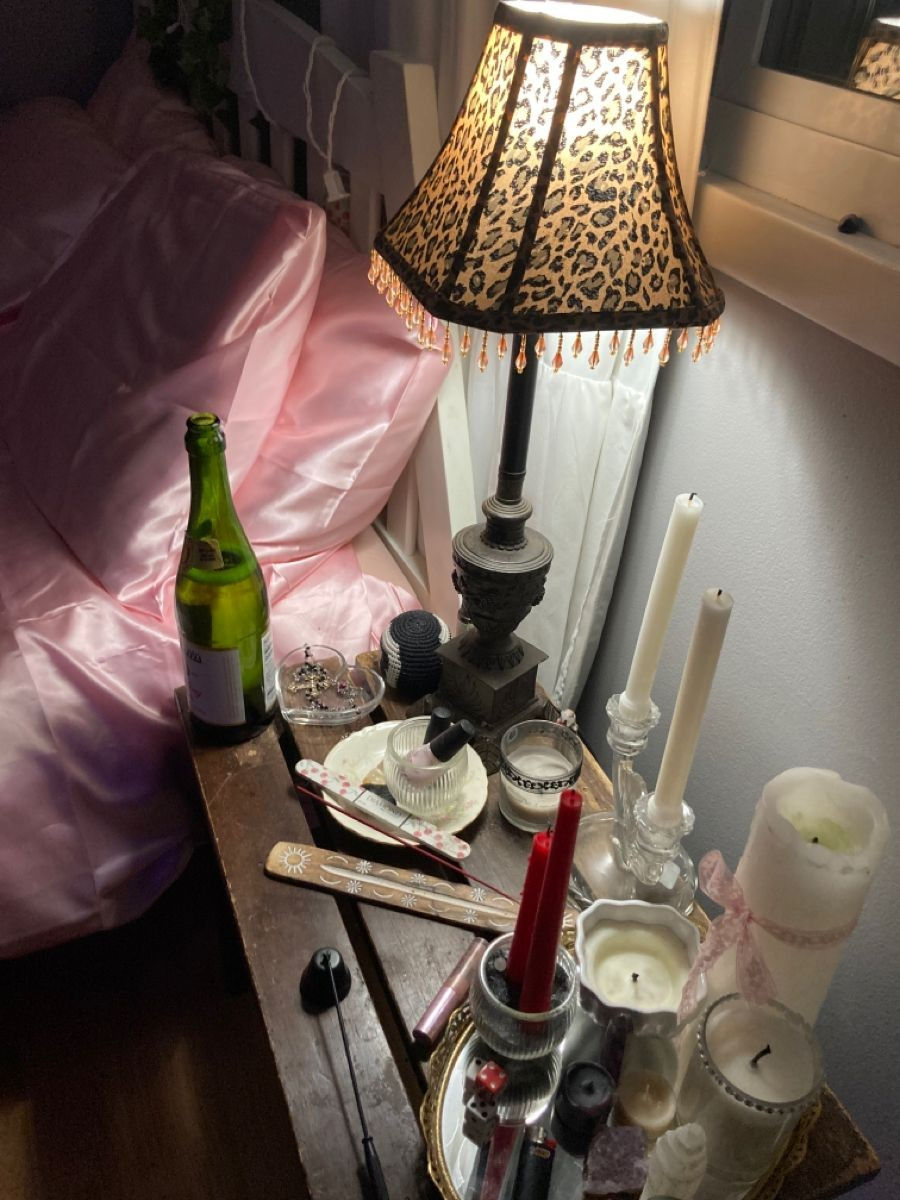
The mascara beneath her eyes is intentionally softened rather than sharply defined. A silk blouse rests over the back of a chair instead of inside a colour-coded wardrobe. On the coffee table, a perfume bottle remains uncapped beside a half-burned incense stick, leaving a trace of amber and smoke suspended in the air.
Nothing about the room feels accidental, yet nothing feels overly corrected.
In 2026, the messy girl aesthetic has evolved from an internet microtrend into a fully articulated cultural movement. Fashion, beauty, and interior design publications have documented its rise as a visible response to the dominance of the polished “clean girl” era that defined the early 2020s.
The aesthetic shift is not about rejecting beauty. It is about redefining it.
The Messy Girl Aesthetic as a Documented Cultural Shift
The messy girl aesthetic has been formally acknowledged across leading lifestyle publications, confirming that this is not merely social media chatter but a broader editorial narrative.
In its coverage of the trend, ELLE Decor describes the messy girl aesthetic as a rejection of “overly curated perfection” in favour of interiors that feel expressive and personal rather than pristine. The publication positions the movement as a reaction to hyper-minimalist spaces that prioritised visual control over lived experience.
Similarly, Real Simple characterises the messy girl aesthetic as a laid-back but intentional interior sensibility, explaining that it embraces comfort, visible life, and layered storytelling over showroom-style sterility.
House Beautiful further clarifies that what appears “messy” is in fact deliberate warmth. Designers interviewed describe the look as curated and deeply personal rather than chaotic or careless.
Across these publications, the same cultural thread emerges: perfection no longer signals aspiration. Personality does.
Messy Girl Makeup and the Imperfect Beauty Trend

The beauty industry has mirrored this shift with equal clarity.
In its feature on messy girl makeup, Coveteur explicitly states, “Goodbye, clean girl. Hello, messy girl,” marking a tonal transition from glossy restraint to visible texture. The article highlights smudged eyeliner, blurred lip lines, and makeup that appears lived-in rather than meticulously sealed.
CR Fashion Book expands on this aesthetic evolution by describing the messy girl renaissance as a reclamation of undone glamour, where imperfection becomes expressive rather than corrective.
The imperfect beauty trend reflects a psychological pivot. The clean girl aesthetic relied on discipline and uniformity, while the messy girl aesthetic allows signs of movement to remain visible. A blurred lip suggests conversation has happened. A smudged kohl line suggests the day has unfolded.
Perfection presents a finished surface. Imperfection suggests narrative.
The Messy Girl Interior Trend and Curated Chaos Design

Interior design discourse reinforces this evolution.
Publications consistently describe the messy girl interior trend as layered, collected, and emotionally resonant. Instead of empty countertops and restrained palettes, messy girl spaces include open books, textured throws, ceramics with irregular glazing, and art leaning casually against walls.
The phrase “curated chaos” frequently appears in trend commentary because it captures the tension between intention and ease. These spaces are not cluttered without thought instead they are composed with density and warmth.
Where minimalism once equated emptiness with sophistication, the messy girl aesthetic suggests that sophistication can coexist with visible life. A room that appears lived-in communicates authenticity in a way a sterile room cannot.
Clean Girl vs Messy Girl Aesthetic: Why 2026 Marks the Shift
The conversation surrounding clean girl vs messy girl aesthetic reveals more than a stylistic difference; it reveals cultural recalibration.
The clean girl aesthetic dominated early 2020s digital culture with slick hair, tonal wardrobes, restrained interiors, and quiet luxury undertones. It aligned with visual control and aspirational discipline.
The messy girl aesthetic 2026 movement emerges in response to oversaturation. When every feed looks immaculate, imperfection becomes magnetic. When every room appears untouched, warmth becomes desirable.
This is not a rejection of elegance. It is a rejection of sterility.
As documented across ELLE Decor, Real Simple, House Beautiful, Coveteur, and CR Fashion Book, the messy girl aesthetic signals a broader appetite for dimensionality. Texture, depth, and personality now hold cultural currency.
Scent as the Invisible Layer of the Messy Girl Aesthetic

Although fashion and interiors visibly articulate this movement, scent completes it.
The clean girl fragrance profile leaned toward barely-there musks and laundry-fresh compositions that suggested subtle restraint. In contrast, the messy girl aesthetic naturally aligns with more atmospheric scent choices such as resinous incense, smoky oud, amber-rich attars, and sandalwood that lingers in fabric.
A layered interior accompanied by a layered fragrance creates sensory continuity. Scent becomes part of the narrative architecture rather than an afterthought.
Where polish once aimed to neutralise presence, texture allows presence to remain.
Are you a Messy Girl?

The messy girl aesthetic is not chaos for spectacle. It is character made visible.
Its documentation across leading design and fashion publications confirms that this is not a fleeting internet mood but a measurable aesthetic shift. Beauty is no longer defined solely by flawlessness. Interiors are no longer defined by emptiness and fragrance is no longer defined by invisibility.
Aspiration in 2026 is evolving toward credibility.
A room that feels lived in communicates honesty. Makeup that softens rather than conceals communicates humanity. A scent that lingers communicates memory.
The polished girl has not disappeared. She has expanded.
The clean girl aesthetic offered calm through control while messy girl aesthetic offers warmth through texture.
As editorial commentary across fashion and interior publications makes clear, this shift reflects a deeper recalibration of what feels aspirational in 2026. Perfection no longer carries the same emotional resonance it once did.


