Why Cities Have Become Moods: When Your Wardrobe Maps Unvisited Places

Updated: Jul 10
By Nehal Jain

Open any wardrobe with a significant social media presence, and you will find a city that the owner has never lived in. A Parisian blazer worn in Mumbai. A Seoul-coded oversized knit purchased in London. Scandi neutral tones chosen by someone in São Paulo who has never experienced a Nordic winter but knows, intuitively, what light through a Copenhagen window is supposed to feel like.
This is not imitation. It is something more nuanced and considerably more interesting.
When Cities Became Aesthetics

Fashion has always had a relationship with geography. What you wore was shaped, for most of history, by where you were: the climate, the available materials, and the social codes of the specific place you inhabited. Style was local because almost everything was local. The idea that someone in Bombay might dress like someone in Paris was, for most of human history, either an aspiration limited to the very wealthy or simply not a concept that had occurred to anyone.

The internet did not just make those other cities visible. It made them inhabitable in a specific and partial way: as aesthetic fragments rather than lived realities. A café window, a bicycle in the rain, a linen shirt catching afternoon light at an angle that only exists in that specific northern latitude at that specific time of year. These fragments, accumulated across thousands of images over years of scrolling, produce something genuinely powerful: a sensory and emotional fluency with a place you have never been to.
Seoul's fashion scene in 2026 is defined by what critics describe as intentionality. Each look has a conceptual anchor, and proportion play, texture mixing, and gender-fluid silhouettes operate as a consistent visual grammar. Copenhagen is known for its oversized silhouettes, muted tones, and a sustainability-led approach so embedded in the culture that Copenhagen Fashion Week now mandates ethical standards across its participating brands. Paris remains what it has always been: a set of values about confidence and understatement expressed through clothing with the particular fluency that comes from a culture where getting dressed has always been taken seriously.
These are real places with real people and real fashion histories. But they have also become something else entirely: moods available for download.
The Wardrobe as Longitude and Latitude

The phenomenon has a name, though nobody uses it consistently: aesthetic tourism. This practice involves inhabiting a city's visual identity through clothing, objects, and daily rituals without ever physically arriving there.
Who What Wear identified it precisely in their 2026 European-inspired fashion coverage. Thanks to the endless reach of the internet and social media, fashion trends worldwide have become much more unified. However, the way each corner of the globe styles these pieces remains different and rooted in respective cultural aesthetics.
The same piece of clothing, worn in New York, Copenhagen, or Mumbai, reads differently in each context. But the aspiration toward Copenhagen's specific quality of unstudied elegance travels instantly and is instantly legible.
This shift is worth examining. The wardrobe is no longer just a record of where you are. It has become a map of where you feel you should be, which is a meaningfully different kind of personal document.
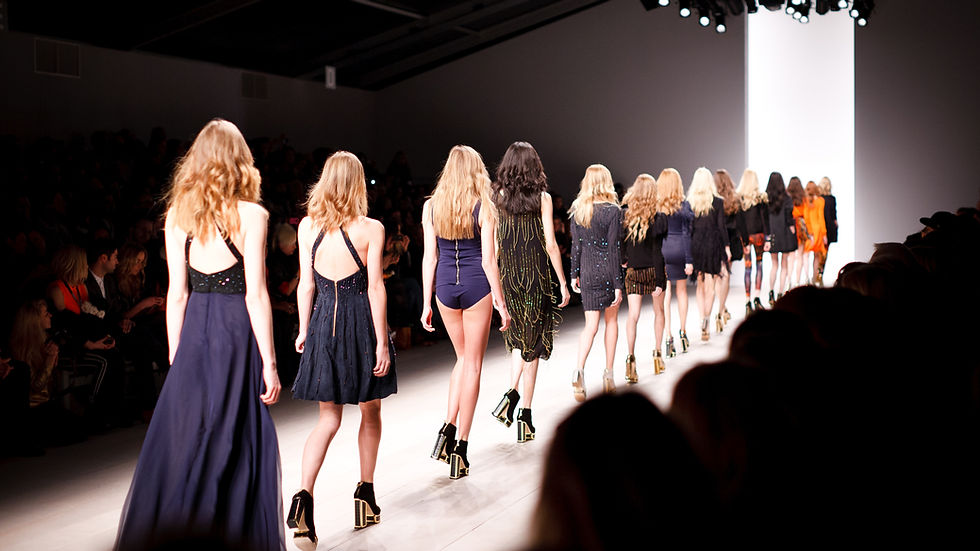
A woman who dresses in Seoul-coded layers, muted tones, and precisely considered proportions while living in Chennai is not pretending to be Korean. She is expressing an affinity with a visual intelligence that she encountered on a screen, recognized as resonant, and gradually absorbed into the way she moves through the world. The city is the reference, not the destination.
What Each City Is Actually Selling

The cities that have become the most powerful aesthetic references in 2026 are not the ones with the most famous fashion weeks. They are the ones whose visual identity carries a legible lifestyle philosophy alongside it.
Paris offers effortlessness as an ideology: the idea that true elegance requires no visible effort. The perfectly chosen blazer has been hanging in the wardrobe for years rather than purchased last Tuesday. This is, of course, a myth carefully maintained by a culture with a centuries-long investment in the mythology. But it is a compelling one, and it travels well.

Copenhagen offers something different and, for 2026 specifically, more urgently appealing: the idea that style and ethics are not in opposition. You can dress with precision and sustainability simultaneously. Minimalism is not deprivation but a different kind of abundance. Copenhagen Fashion Week is the world's most sustainable fashion week, with mandatory sustainability requirements built into its framework. The city's brands, Ganni, Cecilie Bahnsen, and Stine Goya, have built genuinely global audiences on exactly that combination of values.

Seoul's export is intentionality itself. The through-line across most Korean fashion trends in 2026 is that each look has a conceptual anchor. It is not simply an outfit but a considered position, where even the casual piece has been chosen for specific reasons that a fluent wearer could articulate.
That quality of dressing with thought rather than habit is what people outside Seoul are borrowing when they reach for the oversized blazer or the tonal monochrome.
The Honest Question About What Is Being Borrowed

There is a version of this that is simply aspirational fashion purchasing—unremarkable and largely harmless. Then there is a more interesting version, the one worth sitting with.
When a place becomes an aesthetic, something is necessarily simplified. The Copenhagen that travels globally is not the Copenhagen of a city with its own housing crisis, its own inequalities, or its complicated relationship with the hygge mythology that Scandinavian lifestyle culture has packaged for export. The Seoul that influences global wardrobes is not the Seoul of its documented youth unemployment anxieties or its particular and intense social pressures around appearance. The Paris of the linen shirt is not the Paris of daily life.

What travels is the curated fragment: the visual grammar extracted from its context and made available for adoption without the full complexity of the place it came from. This is not new. Tourism has always worked this way. But fashion makes the transaction unusually intimate because the borrowed aesthetic does not stay in a suitcase. It becomes part of how you present yourself to every room you enter.
Why This Is the Right Question for 2026

The broader cultural conversation of 2026 is, in several important ways, a conversation about authenticity: what is real, what is generated, what is borrowed, and what is genuinely one's own. It runs through the return of the analogue, through the hand-addressed envelope, through the wild garden that is chosen over the manicured one precisely because it shows evidence of actual life.
Aesthetic dressing from cities you have never lived in sits inside this same conversation. It is not inherently inauthentic. The linen shirt that makes you feel calmer and more considered is doing its job, regardless of whether you have ever cycled through Copenhagen. But it is worth knowing what you are borrowing, from where, and what the original comes packaged with that the aesthetic alone cannot carry.
The wardrobe as a map of everywhere you have been inspired by is not the same as a map of everywhere you have been. Both are interesting documents. They are not the same document.
This exploration of how cities have become moods reveals the intricate relationship between fashion and geography. It invites us to reflect on our choices and the deeper meanings behind our wardrobes. As we navigate this landscape, we can embrace the beauty of cultural exchange while remaining mindful of the stories we carry with us.

