The TV Dinner Is Back, and It Is Not About Convenience Anymore

The aluminum tray, the folding table, and dinner in front of the television are making an unlikely comeback. Here’s what this revival reveals about how we want to eat and live in 2026.
By Maheshwari Vickyraj

There is a particular sound that an entire generation associates with a specific kind of evening. Foil being peeled back from a tray, a small bell on the oven and hiss of something reheating. For decades this sound meant something slightly sad: the bachelor's dinner, the rushed weeknight, the meal eaten alone because nobody had the energy for anything more ceremonial.
In 2026, that same tray is being set with intention. The TV dinner, once shorthand for convenience without care, has quietly become something people are choosing rather than settling for. Here are seven notes on why.
01. The tray was never really about the food

The earliest TV dinners, launched commercially in the mid-1950s, were built around one specific design constraint: they had to fit on a folding table small enough to balance in front of a television. The food was almost incidental. What mattered was the shape of the evening it created. One tray, one chair, one small table, one screen. A meal engineered for a particular kind of solitary, low-effort comfort.
That same shape, not the frozen food, is what is being revived now. The aluminum tray with its compartments, the small folding table, the specific ritual of eating in front of something rather than someone. The format has outlasted the product that invented it.
02. This is not nostalgia for the food. It is nostalgia for the lack of decision-making
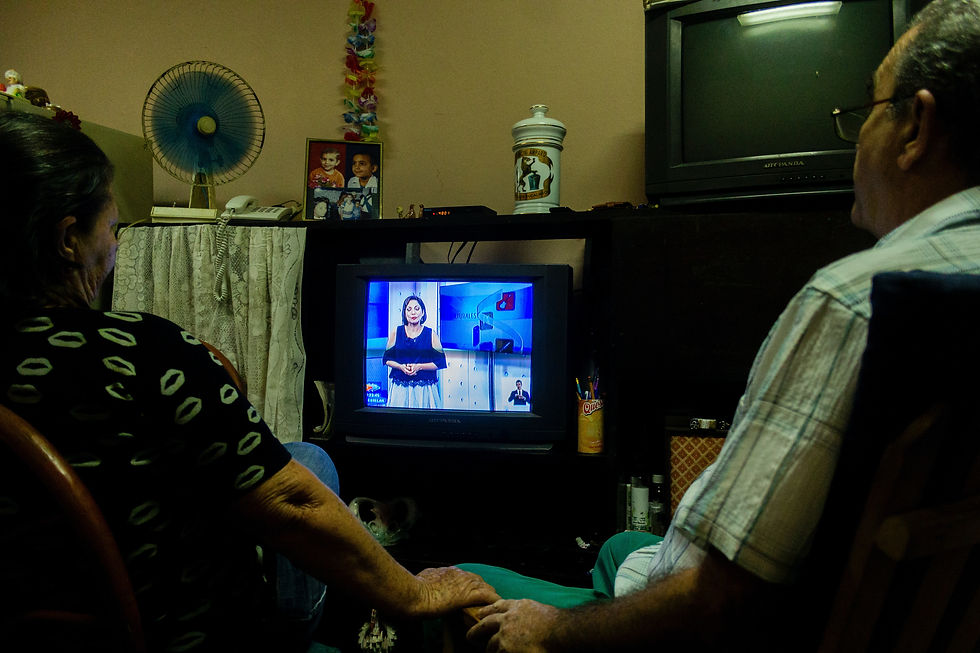
Nobody craving a TV dinner moment in 2026 actually wants gravy-soaked Salisbury steak from a box. What they want is the absence of the decision that precedes most modern meals: what to cook, what to watch, whether tonight counts as a proper dinner or a lesser one.
The TV dinner ritual removes the decision entirely with tray being one unit. The evening is pre-decided in a culture exhausted by the tyranny of infinite choice, that removal is the actual appeal, dressed up as nostalgia because nostalgia is an easier thing to admit to wanting.
03. The tray table has quietly become a design object

Vintage TV tray tables, once dismissed as dated, are now sought after specifically for small apartment living. Folding, multi-use, easy to store, and increasingly valued for the same retro pattern work, nature scenes, mid-century graphics, that once made them feel disposable.
This is the same instinct running through the analogue era and the grandma chic movement: the object once considered naff has been recontextualised as character. The tray table that used to signal a lack of a proper dining room now signals an apartment with personality and a host who knows exactly where to find good vintage.
04. Old-school dishes are returning specifically because they require no negotiation with taste

Shrimp cocktail, casseroles and devilled eggs dishes considered hopelessly dated a decade ago are reappearing on dinner party menus throughout 2026, and the reason is structural rather than aesthetic: these dishes do not require a debate about authenticity, provenance, or whose grandmother's version is correct. They simply are what they are, made the way they have always been made, and everyone at the table already knows how to feel about them.
In a food culture exhausted by the demand for novelty, the dish with no narrative attached is its own kind of relief.
05. Eating in front of something has replaced eating with someone, and it is not entirely a loss

There is an obvious read of the TV dinner revival as a symptom of isolation, the solo diner retreating further from the table. But the more interesting read sits alongside the soft socializing trend: the recognition that shared activity, even passive shared activity like watching the same show, can deliver more genuine connection than a forced conversation across a formal dinner table.
Two people eating off trays in front of a film, not talking much, comfortable in the silence, is not a failure of intimacy. It might be a more honest version of it than the dinner party performance it has replaced.
06. The format is being reclaimed by people who can clearly afford the alternative

The TV dinner revival is not, primarily, an economic story instead it's showing up in households that could easily afford a formal dinner and are choosing the tray instead. This is the same logic running through the farmer aesthetic and quiet luxury: the deliberate choice of the humble option, made by people for whom it is genuinely a choice rather than a constraint, is its own kind of signal.
The tray, like the wild garden and the gossip bench before it, has become interesting precisely because it does not need to be chosen anymore. And yet it is.
07. What the TV dinner is actually offering is permission

Permission to eat something simple without apologising for it and skip the table setting. Permission to let the evening be smaller than it could be after years of food culture insisting that every meal should be documented, sourced, and aesthetically considered, to occasionally just want dinner and a screen and nothing else asked of you.
That permission, more than the tray itself, is the thing actually being served


